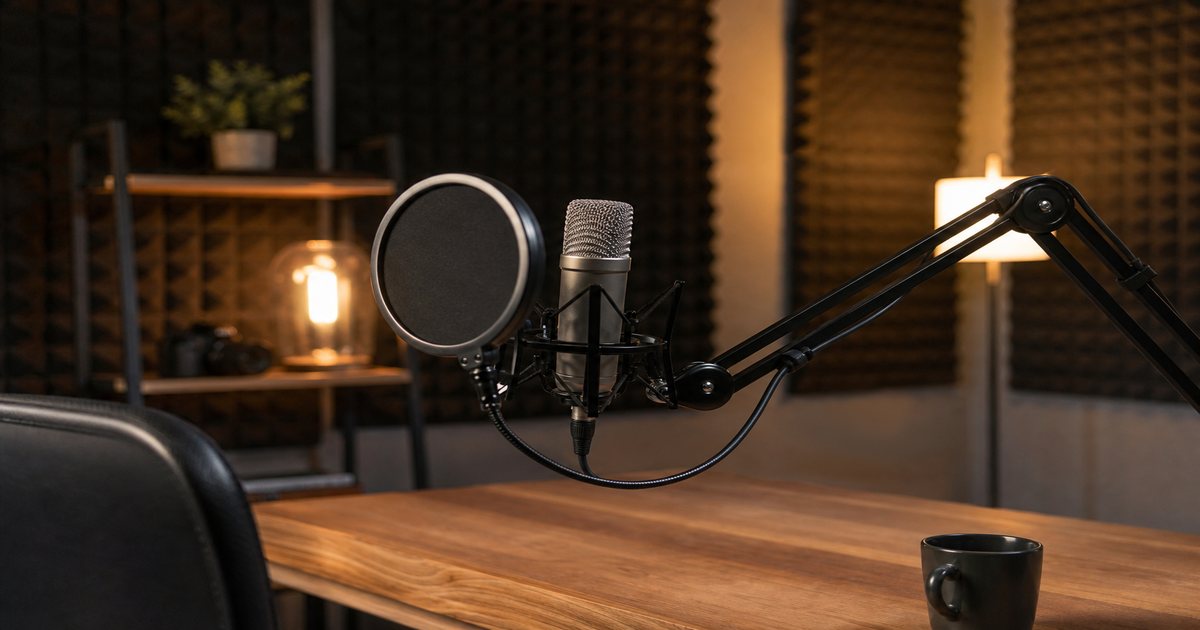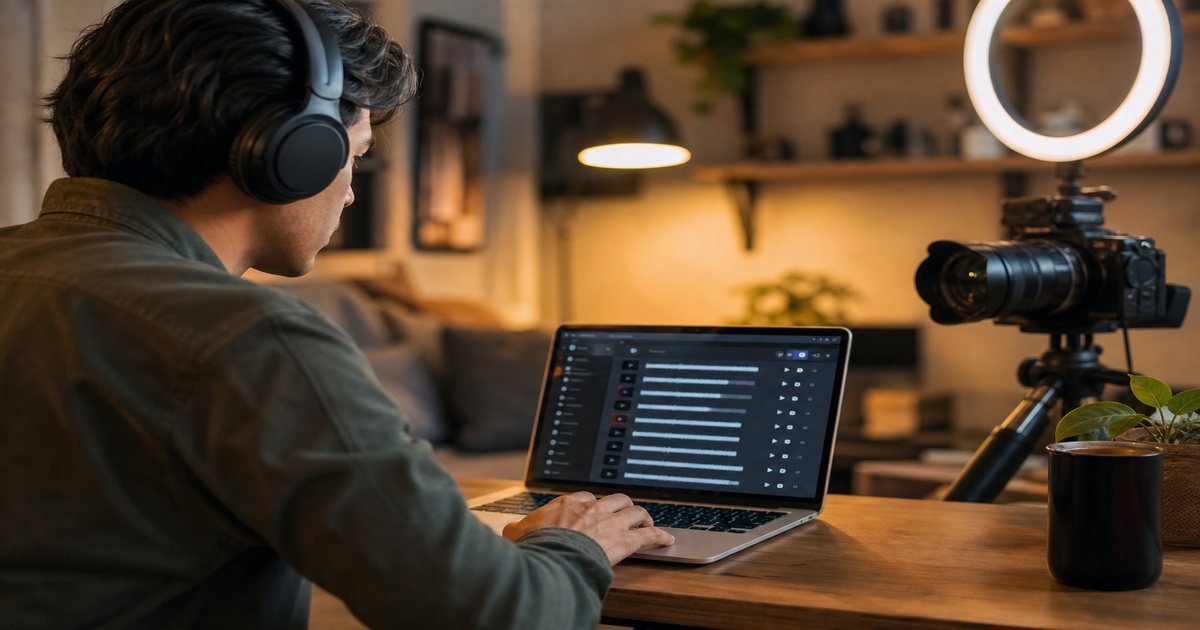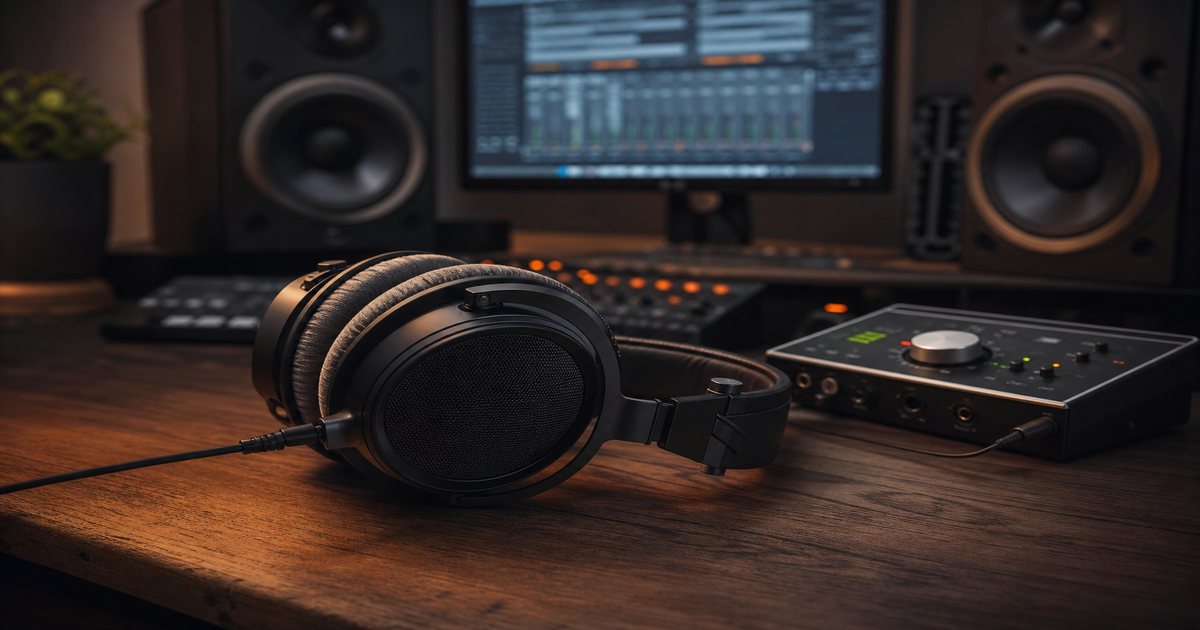
Visual logos get all the attention, but viewers often hear your channel before they remember your colors. Sonic branding is the system of music, stingers, and texture that makes content unmistakably yours. Here is how to build one with royalty-free assets from FreeBeatHub.
What Is Sonic Branding?
Sonic branding is the deliberate use of audio cues—intro themes, background beds, transition whooshes, outro tags—to reinforce identity. Think of it as an audio logo extended across every touchpoint: long-form, Shorts, podcasts, and live streams.
- Increases recall in crowded feeds
- Signals professionalism and trust
- Speeds editing with repeatable templates
- Supports cross-platform recognition
Elements of a Signature Sound
A minimal sonic system includes: intro sting (1–5s), background bed family (3–5 related tracks), transition FX (optional), and outro resolve ( chord or tag). Keep timbres consistent—if your intro uses warm analog synths, avoid icy digital pads in the main bed without reason.
Tempo and key families
Pick a tempo band ±10 BPM and related keys for seasonal variants. Document BPM and key in your brand guide next to hex codes.
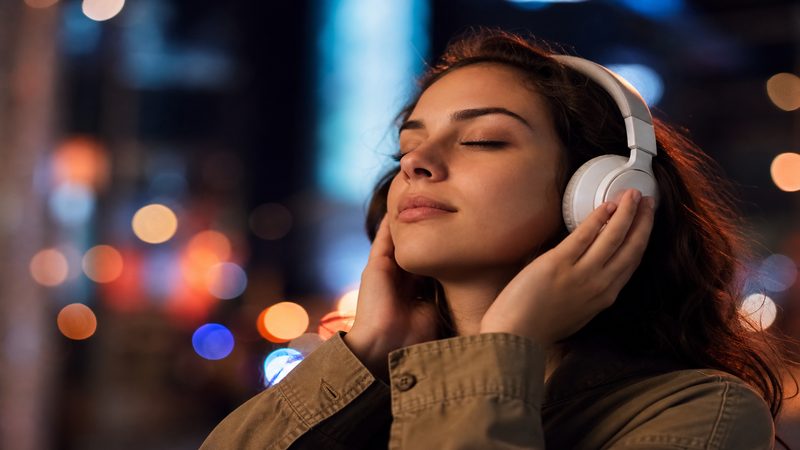
Choosing Intro and Bed Music
Intro music should telegraph genre and audience in under three seconds. Beds should support hours of content without fatigue. License a small set commercially from our license hub and resist one-off novelty tracks that clash with your archive.
Your intro is a promise; your bed music is the room you invite viewers into.
Consistency Rules Across Platforms
Use the same intro sting on YouTube, TikTok, and podcast episodes—trimmed appropriately. Shorts might use a 1-second logo + 0.5-second audio tag; podcasts need longer fades under host voice.
- YouTube: 3–5s intro + bed
- TikTok: 0.5–1s audio logo
- Podcast: 10–20s themed open
- Live: loopable bed during BRB screens

Evolving Without Losing Identity
Rebrand audio every 2–3 years, not every month. Evolve by layering percussion or swapping sub-bass—not by jumping from acoustic folk to heavy metal between episodes.
Seasonal variants
Create winter and summer mixes in the same key. Fans notice freshness; strangers still recognize you.
Measuring Brand Recall
Survey loyal viewers: "Which channel uses this intro?" Track comment mentions of your music. Compare retention on episodes with consistent sonic packaging vs experiments. Read more creator systems on the blog.
- Comment keyword tracking
- Intro skip rate in analytics
- Survey sample quarterly
- A/B stings on Shorts only
Key Takeaways
- Build intro, bed, and outro elements as a cohesive family
- Keep tempo and timbre consistent across platforms
- License a small commercial-safe palette from one library
- Evolve gradually with seasonal variants, not random swaps
- Measure recall with surveys and retention on packaged episodes
| Element | Duration | Platform | Purpose |
|---|---|---|---|
| Intro sting | 1–5s | All video | Brand recognition |
| Main bed | Full length | YouTube / Podcast | Support content |
| Transition FX | 0.2–0.5s | Short-form | Pacing punch |
| Outro tag | 2–4s | Long-form | CTA + resolve |
Ready to find your soundtrack? Browse thousands of royalty-free tracks on FreeBeatHub.
Browse Free MusicFrequently Asked Questions
How long should a YouTube channel intro music be?
Three to five seconds is ideal for most channels. Longer intros hurt retention unless you are producing cinematic or highly produced shows.
Can I use the same music on TikTok and YouTube?
Yes, if your license covers both. Trim and adapt length per platform while keeping the same core motif.
How many background tracks should be in a sonic brand kit?
Start with three to five related beds at different energy levels. That covers most episode types without sonic chaos.
Do I need custom composed music for sonic branding?
No. Many creators build strong identity with carefully curated royalty-free tracks used consistently across content.